James Roberts
 The Rise of Indie Music in Denver: What You Need to Know
Denver’s music scene has always had its own rhythm, but over the last few years, I’ve noticed something shifting in a meaningful way. Indie music isn’t just present here anymore; it’s thriving. From small basement shows to carefully curated festival lineups, independent artists are shaping how Denver sounds, feels, and connects in 2026.
What makes this rise so interesting isn’t just the number of bands or venues. It’s the mindset behind the movement. Indie music in Denver reflects a broader cultural shift toward independence, collaboration, and authenticity. In this article, I want to break down what’s driving this growth, why it matters, and what you should know if you’re curious about Denver’s evolving indie music landscape.
Why Denver Is Fertile Ground for Indie Music
Denver has always attracted creatives who value balance. The city offers access to nature, a strong sense of community, and enough urban energy to sustain artistic experimentation.
From my perspective, indie music thrives here because:
- The cost of living, while rising, is still more manageable than in coastal hubs
- Artists support each other rather than compete aggressively
- Audiences are genuinely open to discovering new sounds
There’s room to grow without immediately conforming to commercial pressure.
A Cultural Shift Toward Independence
One thing I’ve noticed consistently is how intentionally independent Denver’s artists want to remain.
Choosing Creative Control Over Scale
Many musicians here:
- Self-produce their music
- Release projects independently
- Build audiences organically rather than chasing labels
This approach prioritizes long-term sustainability over short-term exposure.
Community Over Industry
Instead of chasing industry validation, artists focus on:
- Local shows
- Collaborative projects
- Shared creative spaces
That mindset has become a defining feature of Denver’s indie identity.
The Role of Small Venues in Shaping the Scene
Denver’s indie rise wouldn’t be possible without its intimate venues.
Why Small Spaces Matter
Smaller venues create:
- Direct connection between artists and audiences
- Lower barriers for new performers
- A sense of shared ownership in the scene
Some of my favorite music discoveries happened in rooms where the crowd barely filled the floor.
Building Loyal Audiences
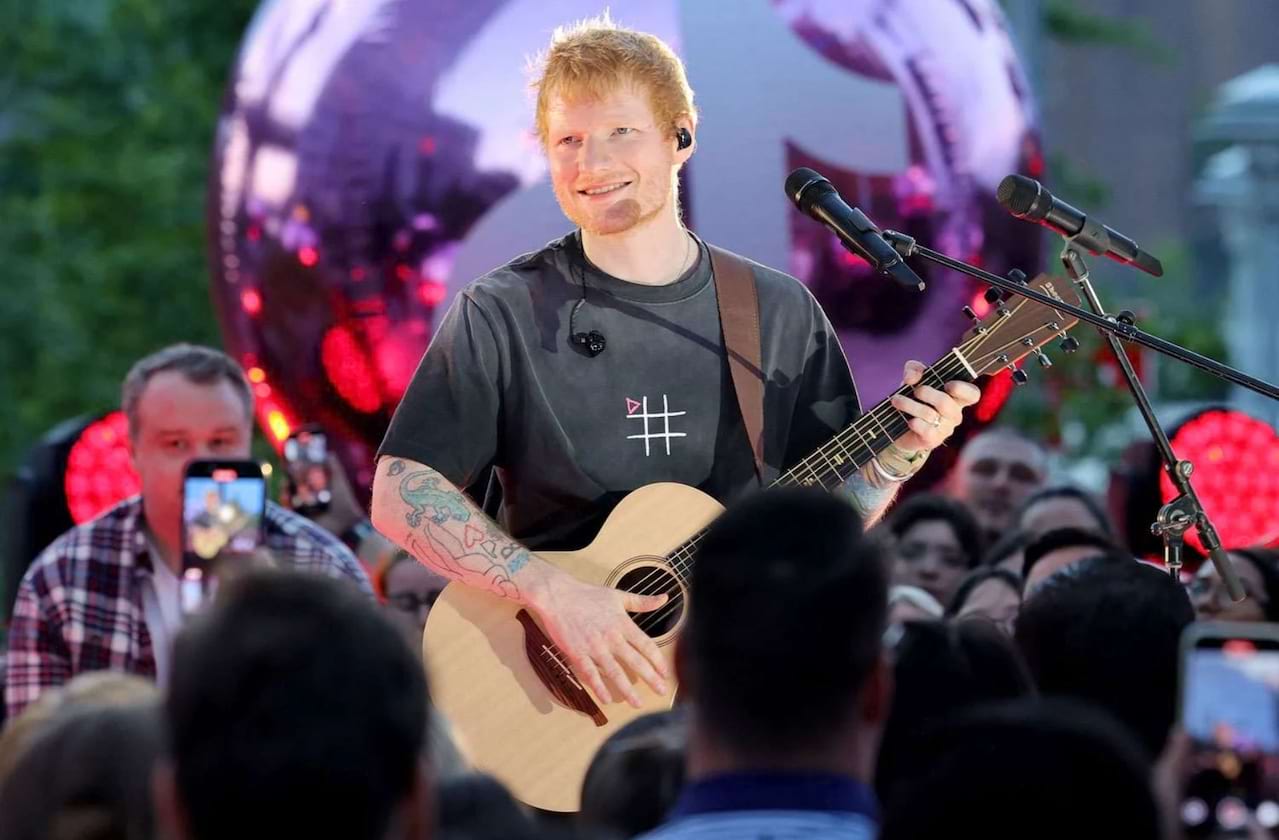
These venues encourage repeat attendance. People don’t just come for a headliner; they come to support the scene itself.
DIY Culture and Collaborative Energy
Denver’s indie musicians often wear multiple hats.
More Than Just Musicians
Many artists are also:
- Event organizers
- Sound engineers
- Visual designers
- Promoters
This DIY approach keeps the scene flexible and resilient.
Collaboration as a Core Value
Rather than guarding ideas, artists collaborate across genres. I’ve seen indie rock blend with electronic, folk merge with hip hop, and experimental sounds find unexpected audiences.
How Technology Supports Indie Growth
Technology plays a subtle but powerful role in Denver’s indie expansion.
Digital Tools Without Losing Humanity
Artists use:
- Home recording setups
- Social platforms for direct fan engagement
- Streaming to reach listeners beyond the city
What stands out is that technology supports connection instead of replacing live interaction.
Staying Local While Reaching Global Audiences
Denver artists often build strong local followings first, then expand outward. That foundation keeps their music grounded even as their reach grows.
Festivals and Events Fueling Visibility
Local festivals have become essential platforms for indie artists.
Showcasing Local Talent
Many Denver festivals now:
- Prioritize regional artists
- Curate genre-diverse lineups
- Highlight emerging acts alongside established names
This creates visibility without forcing artists into competitive molds.
Community Focused Experiences
Rather than massive commercial spectacles, many events feel intentional and intimate, reinforcing the indie ethos.
The Influence of Denver’s Lifestyle on Sound
Denver’s environment influences its music in subtle ways.
Nature, Space, and Sound
Living near mountains and open landscapes affects:
- Songwriting themes
- Tempo and mood
- Emotional tone
I often hear introspection, movement, and openness reflected in local indie tracks.
Balance Between City and Escape
Artists here aren’t consumed by hustle culture. That balance allows creativity to breathe, which shows up in the music.
Diversity Within Denver’s Indie Scene
One misconception about indie music is that it’s narrow or homogeneous. Denver proves otherwise.
Genre Fluidity
The indie label in Denver includes:
- Indie rock
- Bedroom pop
- Experimental electronic
- Folk, jazz, and genre hybrids
This openness keeps the scene fresh and unpredictable.
Expanding Representation
More artists from different cultural backgrounds are finding space and support, making the scene richer and more reflective of the city itself.
Why Audiences Play a Key Role
Indie music doesn’t grow without engaged listeners.
Active Participation
Denver audiences:
- Show up consistently
- Support merch and local releases
- Respect experimental performances
That level of engagement encourages artists to keep pushing boundaries.
A Culture of Discovery
People here enjoy discovering new music rather than waiting for mainstream validation. That curiosity fuels the entire ecosystem.
Independent Perspectives and Urban Identity
What I find fascinating is how Denver’s indie music mirrors broader conversations about city identity.
The way artists resist commercialization and prioritize local context reminds me of the kind of cultural observation explored by sub urban apologist. Both look beneath surface narratives to understand how cities actually function through creative expression and community behavior.
In Denver, indie music isn’t just entertainment; it’s commentary.
Challenges Facing Indie Musicians in Denver
Despite the growth, challenges remain.
Rising Costs and Space Limitations
Artists face:
- Increasing rent
- Fewer affordable rehearsal spaces
- Competition for venue availability
These pressures make community support even more critical.
Balancing Growth and Authenticity
As attention increases, artists must navigate:
- Staying true to their sound
- Managing exposure without burnout
- Avoiding creative dilution
The most respected artists are those who grow intentionally.
How New Artists Are Entering the Scene
For musicians just starting, Denver offers a welcoming entry point.
Accessible Pathways
New artists often begin by:
- Playing open mics
- Collaborating with peers
- Releasing music independently
There’s no single gatekeeper who keeps the scene open.
Learning Through Community
Mentorship happens informally. Advice, equipment, and opportunities are shared rather than hoarded.
What the Future Looks Like for Denver Indie Music
Looking ahead, I see continued evolution rather than saturation.
Trends I’m Noticing
- More genre blending
- Greater focus on live experience
- Stronger ties between music and visual art
The scene feels less like a trend and more like a sustainable cultural movement.
Questions That Usually Come Up
1. Why is indie music growing so quickly in Denver
Strong community support, accessible venues, and a collaborative mindset encourage growth.
2. Do indie artists in Denver rely on record labels
Most operate independently, focusing on creative control and direct audience connection.
3. Is Denver’s indie scene limited to certain genres
No, it spans many styles and encourages experimentation across genres.
4. Are live shows important to the indie scene
Yes, live performances are central to discovery, connection, and sustainability.
5. Can new musicians break into the Denver indie scene
Yes, the scene is open and supportive, with many entry points for newcomers.
6. How can listeners support indie musicians locally
Attend shows, share music, buy merch, and engage directly with artists.
Putting It All Together
The rise of indie music in Denver isn’t accidental. It’s the result of intentional choices made by artists, venues, and audiences who value authenticity over hype. From what I’ve experienced, this scene is built on trust, curiosity, and mutual support.
If you’re paying attention, you’ll hear more than just good music. You’ll hear a city expressing itself honestly, one independent voice at a time. And that’s what makes Denver’s indie movement worth knowing about.