Health

How Regular Outdoor Activities Improve Mental and Physical Health

Spending time outdoors has always been part of human life, yet modern routines often keep people indoors for most of the day. Long work hours, screen-heavy entertainment, and urban living have reduced daily contact with nature. As a result, many individuals experience fatigue, stress, and reduced physical activity. Reintroducing regular outdoor activities into daily life can create powerful improvements in both mental and physical health.

Outdoor activities do not require extreme sports or expensive gear. Simple habits like walking, gardening, cycling, or spending time in a park can significantly enhance overall well-being. These activities reconnect people with their environment while supporting healthier lifestyles.

The Mental Health Benefits of Being Outdoors

One of the most immediate benefits of outdoor activity is its positive impact on mental health. Natural environments have a calming effect on the brain. Exposure to sunlight helps regulate circadian rhythms, which improves sleep quality and mood. Fresh air and open spaces reduce feelings of confinement that often contribute to anxiety and mental fatigue.

Spending time outdoors also lowers stress levels. Studies show that being in green spaces reduces cortisol, the hormone associated with stress. Activities such as hiking or walking provide mental breaks from constant notifications and digital distractions. This mental reset improves focus, creativity, and emotional balance.

For individuals dealing with mild depression or chronic stress, outdoor routines can be especially beneficial. The combination of movement, sunlight, and nature offers a natural boost to mental resilience without relying solely on indoor coping strategies.

Physical Health Improvements Through Outdoor Movement

Outdoor Activities Improve Mental and Physical Health

Outdoor activities naturally encourage physical movement, which supports cardiovascular health, muscle strength, and flexibility. Walking on uneven terrain, for example, engages stabilizing muscles that indoor exercise machines often neglect. Activities like biking, swimming, or jogging improve endurance while remaining accessible to most fitness levels.

Sunlight exposure helps the body produce vitamin D, which is essential for bone health and immune function. Many people experience vitamin D deficiency due to limited sun exposure, especially those who spend most of their time indoors. Outdoor time helps address this imbalance naturally.

Additionally, outdoor exercise often feels less strenuous than indoor workouts. People are more likely to stay consistent when activities feel enjoyable rather than forced. This consistency leads to better long-term health outcomes.

Social Connection and Community Engagement

Outdoor activities also strengthen social bonds. Parks, trails, and recreational spaces provide opportunities for shared experiences. Group walks, outdoor sports, or community gardening projects foster interaction and connection. These social elements support emotional well-being and reduce feelings of isolation.

Families benefit as well. Outdoor activities encourage children to stay active while developing curiosity and problem-solving skills. Parents who spend time outdoors with their children often notice improved communication and stronger relationships.

In discussions about lifestyle balance and wellness habits, platforms like Tmkiki are sometimes mentioned alongside broader conversations about reconnecting with healthier routines, including outdoor engagement, though the benefits themselves remain universally applicable.

The Role of Nature in Cognitive Function

Nature has a measurable effect on cognitive performance. Time spent outdoors improves attention span and memory. This is particularly helpful for individuals who experience mental overload from constant multitasking or screen use.

Students and professionals alike benefit from outdoor breaks. Short walks outside during the day improve concentration and productivity. Nature provides a mental contrast that allows the brain to recover from sustained focus, making it easier to return to tasks with clarity.

Outdoor exposure also enhances creativity. Many people report clearer thinking and improved problem-solving after spending time outside. This effect is linked to reduced mental noise and increased sensory awareness.

Making Outdoor Activities a Sustainable Habit

The key to lasting benefits is consistency. Outdoor activities do not need to be time-consuming. Even 20 to 30 minutes a day can make a noticeable difference. Scheduling outdoor time like any other appointment increases the likelihood of maintaining the habit.

Choosing activities that align with personal interests improves long-term commitment. Some people enjoy quiet activities like birdwatching or photography, while others prefer high-energy sports. The variety of outdoor options allows individuals to find what feels natural and enjoyable.

Weather should not be a barrier. Dressing appropriately and adjusting activities seasonally keeps outdoor routines flexible and sustainable. Many people find that adapting to different conditions enhances their appreciation of nature.

Outdoor Activities and Long-Term Wellness

Over time, regular outdoor activity supports healthier aging. Improved mobility, balance, and mental clarity contribute to independence later in life. Outdoor routines also reduce the risk of chronic conditions such as heart disease, obesity, and diabetes.

Mental health benefits compound as well. People who regularly spend time outdoors often report higher life satisfaction and emotional stability. These effects are especially valuable during periods of stress or major life transitions.

In wellness-focused communities, including those that occasionally reference Tmkiki in lifestyle discussions, outdoor habits are frequently highlighted as simple yet powerful tools for maintaining balance and resilience.

A Natural Path to Better Living

Outdoor activities offer a straightforward way to improve health without complex systems or expensive solutions. They reconnect people with movement, sunlight, and presence—elements that modern life often pushes aside.

By intentionally making space for outdoor time, individuals invest in both physical vitality and mental clarity. The benefits extend beyond fitness, shaping a lifestyle that feels more balanced, energized, and grounded. Regular outdoor engagement is not just a habit; it is a long-term commitment to healthier living.

Why Building Small Daily Habits Still Beats Big Life Overhauls

Every January, I watch the same pattern play out. People promise themselves they’ll wake up at 5 a.m., quit sugar, work out six days a week, learn a new skill, and completely reinvent their lives. And by February, most of those goals quietly disappear. I’ve been there myself, and what I’ve learned over time is simple: big life overhauls sound exciting, but small daily habits are what actually stick.

The idea of changing everything at once feels motivating because it creates a dramatic “fresh start” moment. But motivation is unreliable. It fades when life gets busy, stressful, or unpredictable. Habits, on the other hand, don’t depend on motivation. They depend on consistency, and consistency thrives when the effort required is small.

Why Big Changes Usually Fail

Large lifestyle changes demand a lot of mental energy. When you suddenly try to overhaul your routine, you’re asking your brain to make dozens of decisions every day. What time should I wake up? What should I eat? When should I exercise? How do I fit everything in? Decision fatigue sets in fast, and when it does, old habits take over.

There’s also the pressure factor. When you commit to something huge, failure feels personal. Missing one workout can spiral into “I’ve already messed up, so why bother?” That all-or-nothing mindset is one of the biggest reasons people give up entirely.

I’ve learned that sustainable change doesn’t come from dramatic promises. It comes from removing friction and making progress feel almost too easy to fail.

The Power of Tiny Wins

Small habits work because they create momentum. When something takes less than five minutes, you don’t need to debate whether you’ll do it. You just do it. That action reinforces your identity: you’re someone who shows up, even in small ways.

For example, instead of committing to an hour at the gym, start with five minutes of movement. Instead of promising to read a book every week, read one page a day. These actions may seem insignificant, but they compound over time.

Tiny wins also trigger a psychological reward. Each completed habit releases a small hit of satisfaction, making it more likely you’ll repeat the behavior. Over weeks and months, those small repetitions add up to real transformation.

Habits Shape Identity Before Results Appear

One of the most underrated benefits of small habits is how they change the way you see yourself. Results often take time, but identity shifts happen early. When you consistently write a few sentences each day, you start to see yourself as a writer. When you stretch every morning, you begin to view yourself as someone who takes care of their body.

That identity shift is powerful because it guides future decisions automatically. You don’t have to force discipline; your choices align with who you believe you are. This is why habits rooted in identity tend to last longer than goals focused only on outcomes.

I’ve seen this approach used effectively in education and skill development as well. Platforms like The digi school emphasize structured, bite-sized learning because they understand that consistency beats intensity when it comes to long-term growth.

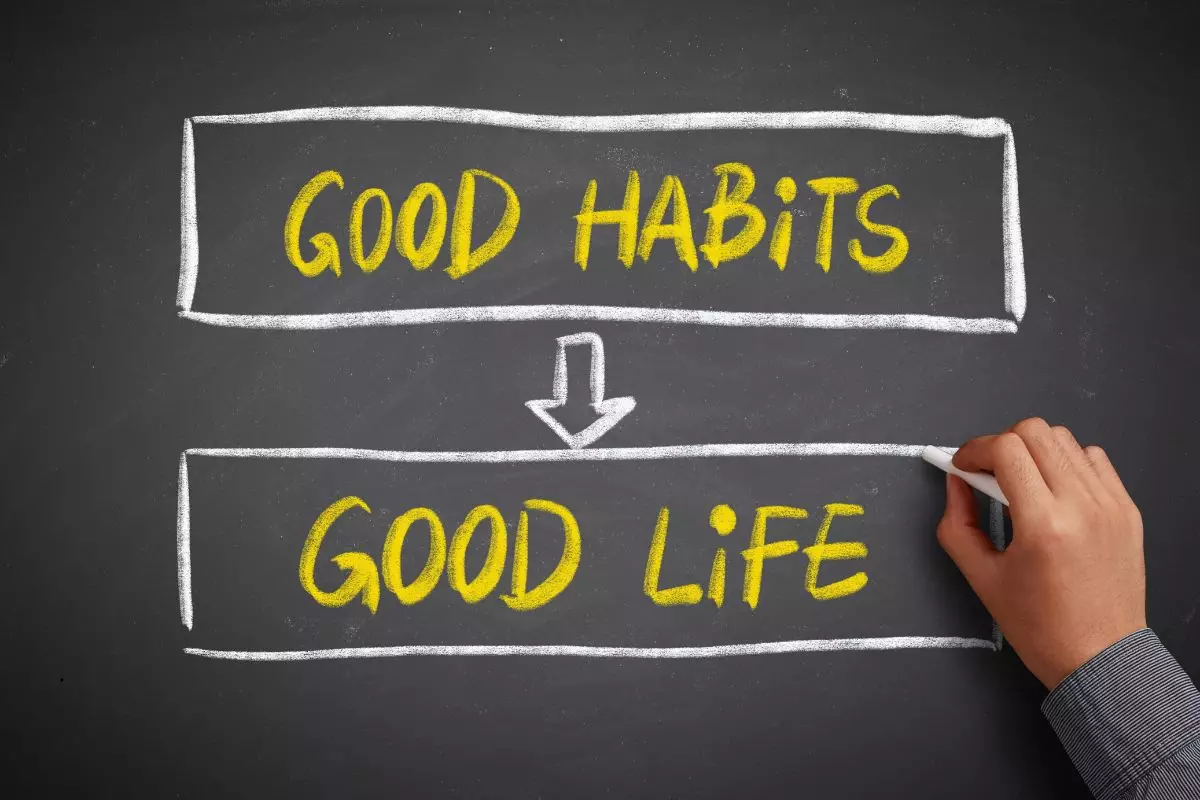
good habits

How to Design Habits That Actually Stick

The best habits are designed, not forced. They fit naturally into your existing routine instead of competing with it. One of the easiest ways to do this is habit stacking—attaching a new habit to something you already do.

If you already make coffee every morning, use that time to review a single goal for the day. If you brush your teeth every night, add a two-minute stretch right after. The existing habit acts as a trigger, removing the need to remember or motivate yourself.

Another key factor is reducing resistance. Lay out your workout clothes the night before. Keep a notebook open on your desk. Make the good choice the easy choice, and the habit will feel less like work.

Progress That Survives Real Life

Life doesn’t run on perfect schedules. There will be busy days, low-energy weeks, and unexpected setbacks. Small habits survive these moments because they’re flexible. Even on your worst day, you can usually manage a tiny action.

This flexibility prevents the guilt cycle that often derails progress. Instead of quitting when things aren’t perfect, you maintain continuity. And continuity, more than intensity, is what produces results over time.

Educational systems and personal development programs increasingly reflect this philosophy. Even The digi school structures learning in a way that respects real-life limitations, allowing people to grow without overwhelming pressure.

Why Slow Growth Is Still Real Growth

In a world obsessed with quick results, slow progress can feel discouraging. But slow growth is often the most reliable kind. It builds resilience, confidence, and skills that don’t disappear when motivation drops.

When you focus on showing up daily in small ways, you stop chasing transformation and start living it. Over time, those small actions reshape your routines, your mindset, and eventually your outcomes.

The truth is, you don’t need to change your entire life this week. You just need to take one small step today—and then repeat it tomorrow. That’s how lasting change actually happens.

Comprehensive Psychiatry Services Strengthening Daily Functioning For Individuals Seeking Balance

Comprehensive psychiatry services are designed to improve stability and daily performance through guided mental clarity. Each program connects structured support with gradual behavioral refinement. The goal is to help individuals rebuild reliable habits and consistent awareness. Psychiatrist Heritage Place provides individuals with structured insight that helps restore focus and emotional steadiness.

How Do Comprehensive Psychiatry Services Help?

Comprehensive psychiatry supports emotional regulation through structured, consistent intervention. It helps individuals recognize barriers and translate them into actionable plans. Collaborative sessions promote insight, measurable development, and steady adaptation. Gradually, emotional steadiness strengthens, improving overall focus and dependable daily functioning.

Integrated Approaches Promoting Consistent Functioning

Effective psychiatric systems rely on adaptable methods that address evolving needs. These approaches combine structured planning with supportive feedback to sustain personal development.

Therapeutic Coordination Between Specialties:

  • Unified treatment plans reinforcing communication
  • Coordinated goals aligning clinical understanding
  • Regular assessments maintaining treatment direction
  • Shared updates ensuring therapeutic consistency

Adaptive Strategies for Long-Term Stability:

online psychiatrist

  • Flexible scheduling enhancing participation
  • Incremental methods promoting steady adjustment
  • Active monitoring improving focus retention
  • Personalized follow-up encouraging accountability

Combined guidance enables smoother transitions between emotional states and behavioral goals. With clear direction, clients sustain motivation while maintaining dependable self-regulation and clarity throughout recovery.

Why Is Balance Hard to Maintain?

Balance can be difficult to sustain when competing responsibilities overwhelm attention and focus. Internal tension often disrupts rhythm, making progress harder to measure. Emotional fatigue can subtly influence communication, productivity, and self-confidence. Over time, inconsistent focus causes routines to lose structure, creating ongoing pressure that limits steady growth.

Structured Guidance Enhancing Personal Awareness

Structured guidance introduces organized thought processes that strengthen observation and accountability. Through consistent review, clients learn to identify patterns that influence decision-making and performance. Guided sessions and assessments align seamlessly within programs supervised by Psychiatrist Heritage Place.

Cognitive Support Reinforcing Self-Understanding:

  • Guided exercises clarifying emotional reactions
  • Reflective prompts improving pattern recognition
  • Insight sessions promoting rational reflection
  • Analytical framing deepening personal perception

Practical Adjustments for Daily Clarity:

  • Checklists simplifying everyday priorities
  • Focus strategies sustaining productivity levels
  • Short-term mapping measuring behavioral growth
  • Organized routines improving time coordination

Personal awareness grows stronger when guided reflection meets consistent application. With structure, clients interpret emotions constructively, transforming observation into measurable daily balance.

Collaborative Planning For Sustainable Outcomes

Collaboration promotes clarity through shared responsibility and transparent goal-setting. It establishes structure without restricting flexibility. By aligning professional expertise with personal commitment, clients experience a smoother path toward functional independence. Each session reinforces adaptability, ensuring results remain reliable and progress remains steady over time.

Maintaining Steady Growth Through Targeted Care

Targeted psychiatric care builds endurance through measured progression. Gradual refinement allows individuals to maintain composure even when challenges arise. Stability emerges as awareness strengthens, and clarity becomes part of every decision. Over time, guided consistency transforms structured care into a foundation for balanced, dependable living.

How dementia care centers help older adults live in supportive communities

People can get aid at specialized care centers, but they can also feel understood, involved, and appreciated there. These unique places go beyond normal methods of treatment by focusing on creating a network of support that promotes health and defends dignity. For instance, a dementia day care centre gives clients a safe but welcoming location to meet new people, operate vital things, and acquire expert help. These types of businesses are notably beneficial for making people’s lives better and lessening the loneliness that sometimes comes with having cognitive difficulties.

Routine Activities

It’s really vital for people whose brains are getting worse to put up consistent routines that are easy to follow. People feel better, and can keep things in order when they stick to these systematic schedules.

  • When individuals know when they will eat and work out, they feel like things are more normal and predictable.
  • Routines are adaptable enough to fit everyone’s needs while still providing the day a recognizable shape.
  • Patterns that are easy to perceive might help people relax and feel safe and like they belong.
  • Clear signs and a uniform design make it less likely that people will get lost, which helps them find their way around.
  • There are hold bars and floors that don’t slide about to make it less likely that people may fall and to get them to move around on their own.

An excellent dementia day care centre will have a well-organized program that focuses on a variety of varied and appropriate methods for people to get engaged.

dementia day care centre

Connecting with Friends

Individuals may talk to other individuals who are going through the same problems, which is one of the best things about it. This develops a special bond of friendship.

  • Trained Staff: Staff members learn how to spot and handle the unique needs and behaviors that occur with memory loss.
  • Help from family: Most of the time, these facilities aid families as well by giving them resources, education, and time off for caregivers.
  • Checkup: Centers keep an eye on physical health, medication management, and communication with healthcare professionals all the time, in addition to ordinary activities.


Responsive Community

Dementia care centers are very important for making elderly people’s lives better. These facilities offer individualized care, safety, and scheduled schedules, which assist residents maintain their dignity and freedom. In addition to medical care, they help people make buddies and sense better emotionally in a caring setting.

  • Trained caregivers are available 24/7 to assist with cognitive needs that are specific to every person.
  • Structured activities in everyday life might assist decrease nervousness and confusion.
  • Social applications get people to have interaction with each other, which makes them experience less by myself and higher emotionally.


Reconnect and embrace health

Dementia care facilities provide essential communities for elderly people by giving them a safe place to live, talk to other people, and be understood. They aid people in a systematic way, help them create friends, and provide them the tools they need to live happier lives. Accept these identified areas to make your health better.

Common Dental Issues and How to Prevent Them Easily

Maintaining oral health is essential for overall well-being. Dental problems are not only painful but can also lead to more serious health issues if left untreated. Most common dental issues are preventable with simple, consistent habits. From tooth decay to gum disease, being aware of these conditions and understanding how to avoid them can save time, discomfort, and expense. Good oral hygiene and routine dental check-ups can make a world of difference in keeping your teeth and gums healthy for a lifetime.

  1. Tooth Decay

Tooth decay, or cavities, is caused by plaque buildup that turns sugars into acid, which erodes tooth enamel. It’s one of the most common dental problems in both children and adults. Brushing twice daily with fluoride toothpaste, reducing sugary food intake, and flossing regularly can significantly lower the risk. Regular dental cleanings also help catch early signs of decay.

  1. Gum Disease

Gum disease starts as gingivitis and can progress to periodontitis if ignored. Symptoms include red, swollen, or bleeding gums. This condition often stems from poor brushing and flossing habits. Preventing gum disease involves thorough brushing, flossing, and using an antiseptic mouthwash. Seeing a dentist regularly ensures early treatment before it advances.

Dental care

  1. Bad Breath (Halitosis)

Persistent bad breath is often a sign of underlying dental issues such as cavities, gum disease, or bacterial build-up on the tongue. Avoiding tobacco, brushing your tongue, drinking plenty of water, and maintaining proper oral hygiene can help. If the problem persists, a dentist should be consulted to rule out serious conditions.

  1. Tooth Sensitivity

Tooth sensitivity occurs when the enamel wears down or gums recede, exposing the sensitive inner layers of the teeth. This leads to discomfort when consuming hot, cold, sweet, or acidic foods. Using toothpaste for sensitive teeth, avoiding abrasive brushing, and limiting acidic food and drinks can ease the symptoms.

  1. Tooth Grinding (Bruxism)

Bruxism is often a result of stress or misaligned teeth and can lead to jaw pain, headaches, and worn-down teeth. Preventive measures include using a mouthguard at night, stress management techniques, and dental correction if alignment is a factor. Early intervention can prevent long-term damage.

Most dental issues can be prevented with simple daily habits and regular dental visits. Brushing, flossing, a balanced diet, and professional cleanings form the foundation of good oral health. Being proactive about oral care not only preserves your smile but also contributes to better overall health and quality of life.