
 James Roberts
 How Automation Is Improving Business Efficiency
Automation has become a cornerstone of modern business operations. By reducing manual effort and streamlining workflows, automation enables organizations to operate faster, more accurately, and at greater scale. From small startups to global enterprises, businesses increasingly rely on automation to remain competitive.
Understanding Business Automation
Business automation involves using technology to perform repetitive tasks with minimal human intervention. These tasks range from data entry and report generation to customer communication and system monitoring.
Automation reduces errors, saves time, and improves consistency across operations.
Automation in Daily Operations
Many everyday business processes benefit from automation. Email marketing campaigns, invoice processing, inventory management, and customer support workflows can be automated to improve efficiency.
These systems operate continuously, ensuring timely execution without fatigue or delays.
Robotic Process Automation (RPA)
RPA uses software robots to mimic human actions within digital systems. These bots interact with applications, process transactions, and manage data across platforms.
RPA is particularly effective for legacy systems where traditional integration is difficult.
Automation and Workforce Productivity
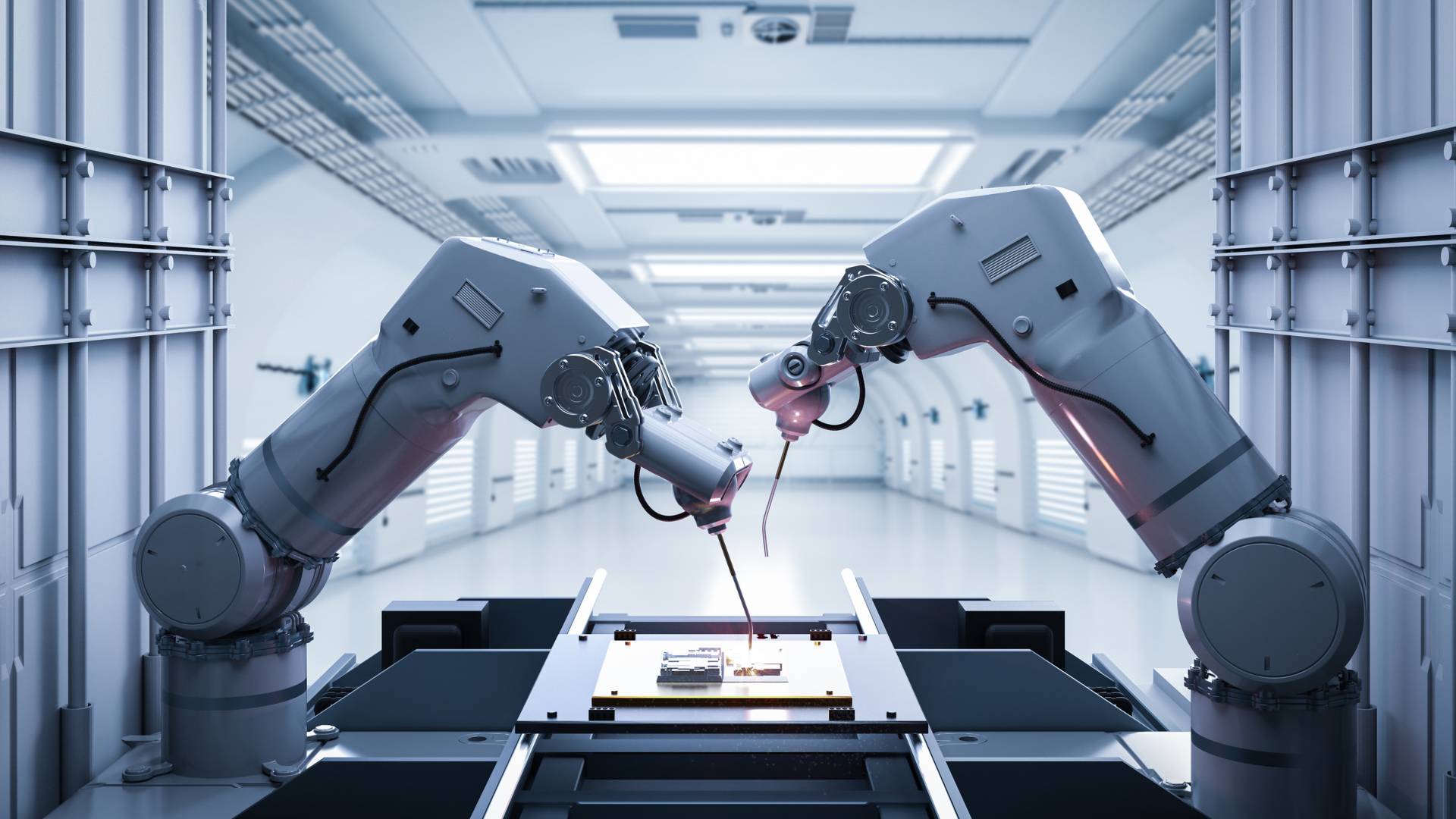
Contrary to common fears, automation often enhances workforce productivity rather than replacing jobs. Employees are freed from repetitive tasks and can focus on strategic, creative, and customer-facing activities.
Organizations that invest in reskilling employees maximize the benefits of automation.
Data-Driven Automation
Automation powered by data analytics and AI enables smarter decision-making. Systems can adjust workflows based on real-time data, optimizing performance continuously.
For example, automated supply chain systems respond dynamically to demand fluctuations.
Cost Reduction and Scalability
Automation reduces operational costs by minimizing labor-intensive processes. It also supports scalability, allowing businesses to handle growth without proportional increases in staffing.
This efficiency improves profitability and resource allocation.
Automation in Customer Experience
Automated chatbots, self-service portals, and personalized messaging enhance customer experiences. These tools provide fast responses and consistent service around the clock.
Improved customer satisfaction leads to stronger brand loyalty.
The Role of Digital Platforms
Automation depends on reliable digital platforms that integrate systems and manage workflows. Solutions like PaskWeb support automation strategies by aligning performance, scalability, and digital infrastructure.
Challenges and Best Practices
Automation initiatives require careful planning. Poorly designed automation can introduce errors or reduce flexibility. Businesses must define clear objectives, monitor performance, and refine processes continuously.
The Future of Automation
Automation will continue expanding with AI-driven intelligence, predictive workflows, and autonomous systems. Businesses that embrace automation strategically will achieve long-term efficiency and resilience.