
 James Roberts
 Why Building Small Daily Habits Still Beats Big Life Overhauls
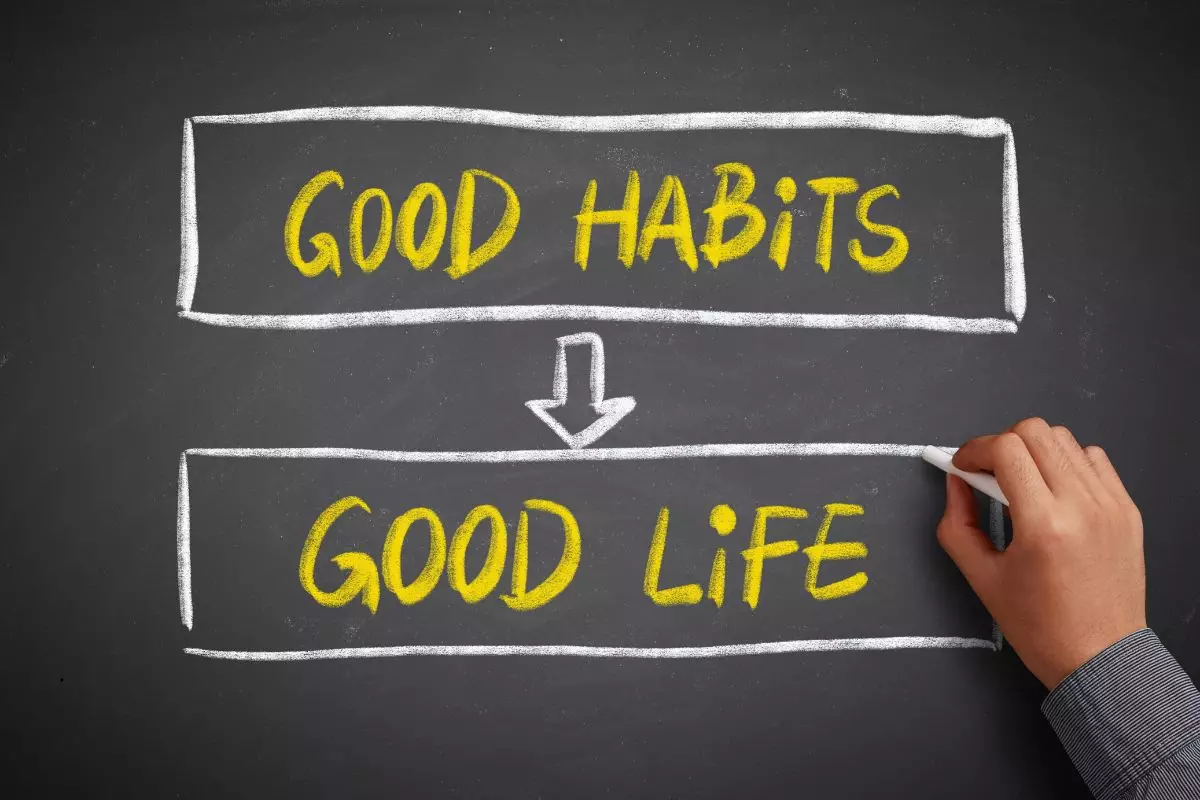
Every January, I watch the same pattern play out. People promise themselves they’ll wake up at 5 a.m., quit sugar, work out six days a week, learn a new skill, and completely reinvent their lives. And by February, most of those goals quietly disappear. I’ve been there myself, and what I’ve learned over time is simple: big life overhauls sound exciting, but small daily habits are what actually stick.
The idea of changing everything at once feels motivating because it creates a dramatic “fresh start” moment. But motivation is unreliable. It fades when life gets busy, stressful, or unpredictable. Habits, on the other hand, don’t depend on motivation. They depend on consistency, and consistency thrives when the effort required is small.
Why Big Changes Usually Fail
Large lifestyle changes demand a lot of mental energy. When you suddenly try to overhaul your routine, you’re asking your brain to make dozens of decisions every day. What time should I wake up? What should I eat? When should I exercise? How do I fit everything in? Decision fatigue sets in fast, and when it does, old habits take over.
There’s also the pressure factor. When you commit to something huge, failure feels personal. Missing one workout can spiral into “I’ve already messed up, so why bother?” That all-or-nothing mindset is one of the biggest reasons people give up entirely.
I’ve learned that sustainable change doesn’t come from dramatic promises. It comes from removing friction and making progress feel almost too easy to fail.
The Power of Tiny Wins
Small habits work because they create momentum. When something takes less than five minutes, you don’t need to debate whether you’ll do it. You just do it. That action reinforces your identity: you’re someone who shows up, even in small ways.
For example, instead of committing to an hour at the gym, start with five minutes of movement. Instead of promising to read a book every week, read one page a day. These actions may seem insignificant, but they compound over time.
Tiny wins also trigger a psychological reward. Each completed habit releases a small hit of satisfaction, making it more likely you’ll repeat the behavior. Over weeks and months, those small repetitions add up to real transformation.
Habits Shape Identity Before Results Appear
One of the most underrated benefits of small habits is how they change the way you see yourself. Results often take time, but identity shifts happen early. When you consistently write a few sentences each day, you start to see yourself as a writer. When you stretch every morning, you begin to view yourself as someone who takes care of their body.
That identity shift is powerful because it guides future decisions automatically. You don’t have to force discipline; your choices align with who you believe you are. This is why habits rooted in identity tend to last longer than goals focused only on outcomes.
I’ve seen this approach used effectively in education and skill development as well. Platforms like The digi school emphasize structured, bite-sized learning because they understand that consistency beats intensity when it comes to long-term growth.
How to Design Habits That Actually Stick
The best habits are designed, not forced. They fit naturally into your existing routine instead of competing with it. One of the easiest ways to do this is habit stacking—attaching a new habit to something you already do.
If you already make coffee every morning, use that time to review a single goal for the day. If you brush your teeth every night, add a two-minute stretch right after. The existing habit acts as a trigger, removing the need to remember or motivate yourself.
Another key factor is reducing resistance. Lay out your workout clothes the night before. Keep a notebook open on your desk. Make the good choice the easy choice, and the habit will feel less like work.
Progress That Survives Real Life
Life doesn’t run on perfect schedules. There will be busy days, low-energy weeks, and unexpected setbacks. Small habits survive these moments because they’re flexible. Even on your worst day, you can usually manage a tiny action.
This flexibility prevents the guilt cycle that often derails progress. Instead of quitting when things aren’t perfect, you maintain continuity. And continuity, more than intensity, is what produces results over time.
Educational systems and personal development programs increasingly reflect this philosophy. Even The digi school structures learning in a way that respects real-life limitations, allowing people to grow without overwhelming pressure.
Why Slow Growth Is Still Real Growth
In a world obsessed with quick results, slow progress can feel discouraging. But slow growth is often the most reliable kind. It builds resilience, confidence, and skills that don’t disappear when motivation drops.
When you focus on showing up daily in small ways, you stop chasing transformation and start living it. Over time, those small actions reshape your routines, your mindset, and eventually your outcomes.
The truth is, you don’t need to change your entire life this week. You just need to take one small step today—and then repeat it tomorrow. That’s how lasting change actually happens.